

Presented by Partners In Palo Duro Canyon Foundation

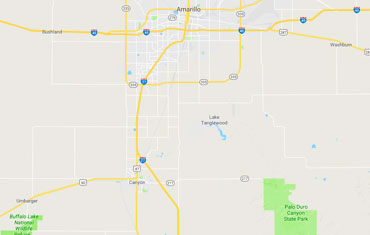
Readily accessible by car, motorhome, or fifth wheel and only 25 miles from downtown Amarillo and 14 miles from the Mainstreet town of Canyon, Palo Duro Canyon is the most spectacular and scenic landscape feature in the Texas Panhandle. It was formed by millions of years of water erosion by the Prairie Dog Town Fork of the Red River and the West Texas wind.
With a descent of some 800 feet to the canyon floor and more than 16 miles of paved road, Palo Duro Canyon State Park offers fantastic scenic views, historical sites and markers, picnic tables, public restrooms and showers, miles and miles of hiking and biking trails, horseback riding, a souvenir shop with grill, and a variety of camping & parking areas suitable for day trips, overnight tent camping, or extended stays in the largest of campers and motorhomes.
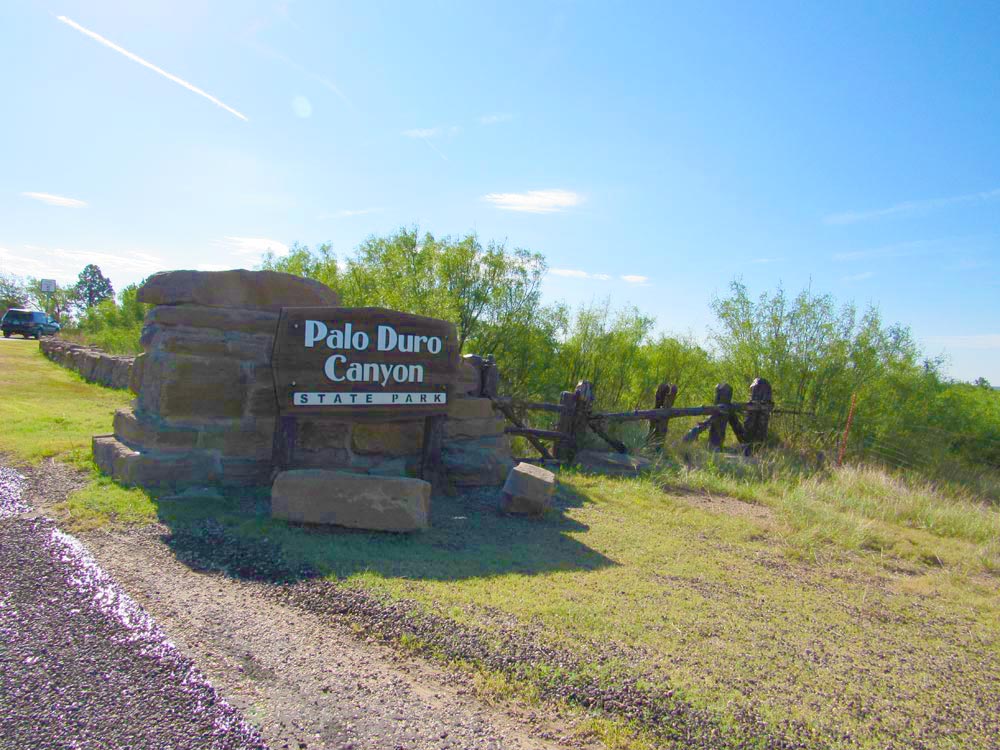
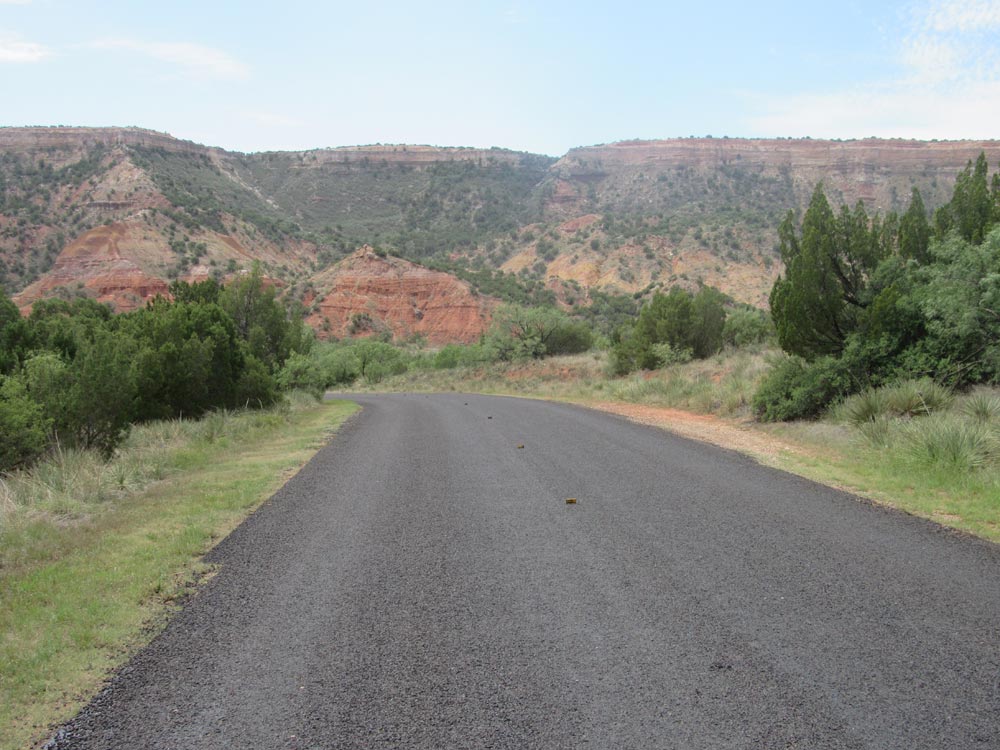
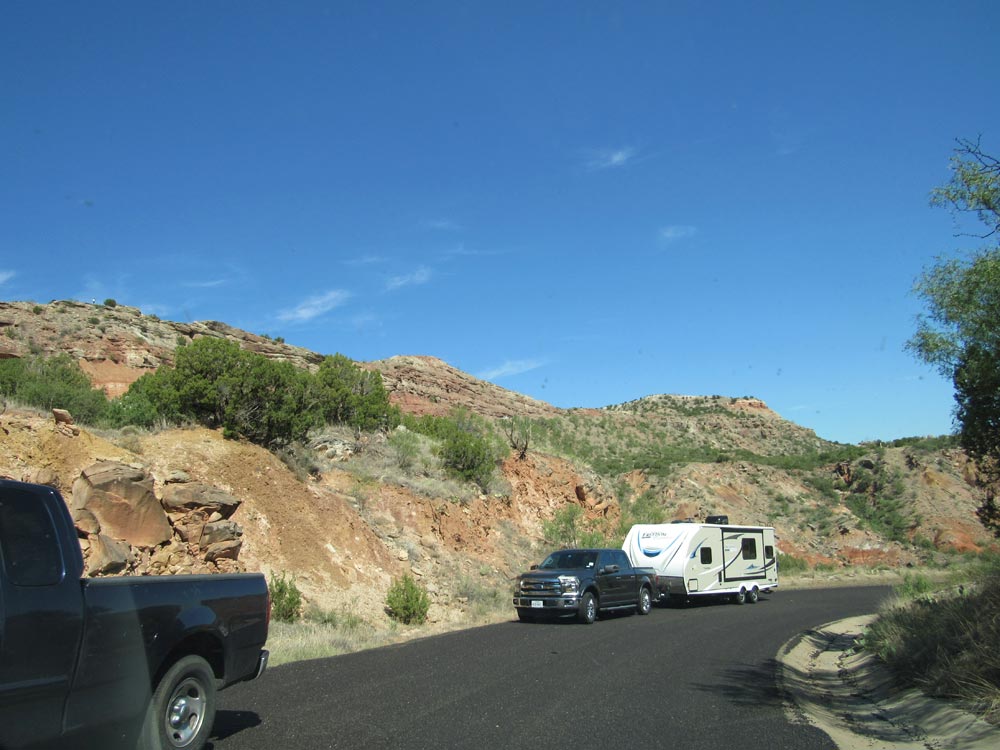
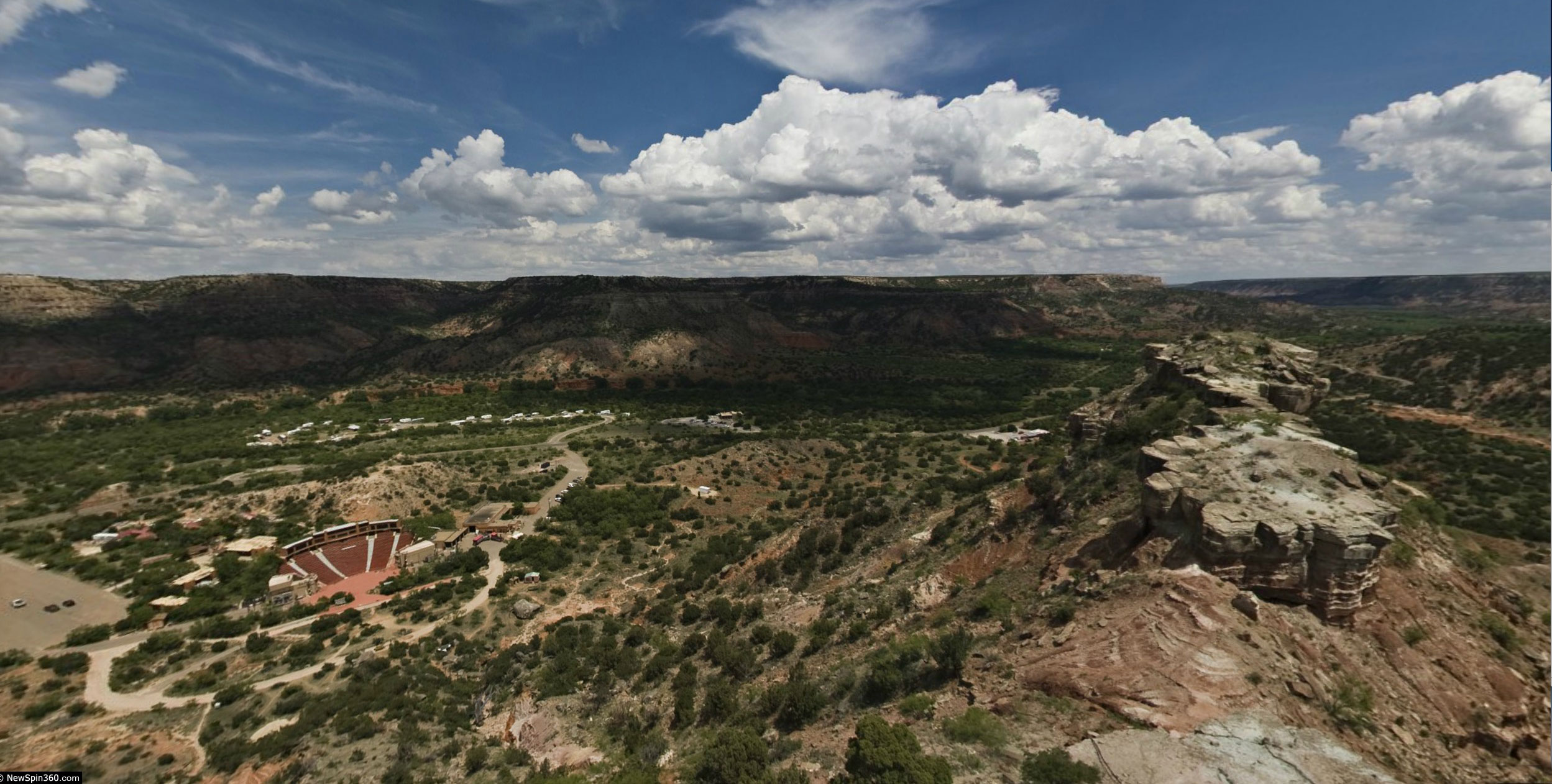


Readily accessible by car or motorhome and only 25 miles from downtown Amarillo and 14 miles from the Mainstreet town of Canyon, Palo Duro Canyon is the most spectacular and scenic landscape feature in the Texas Panhandle. It was formed by millions of years of water erosion by the Prairie Dog Town Fork of the Red River and the West Texas wind.
With a descent of some 800 feet to the canyon floor and more than 16 miles of paved road, Palo Duro Canyon State Park offers fantastic scenic views, historical sites and markers, picnic tables, public restrooms and showers, miles and miles of hiking and biking trails, horseback riding, a souvenir shop with grill, and a variety of camping & parking areas suitable for day trips, overnight tent camping, or extended stays in the largest of campers and motorhomes.
Hours of Operation:
The one-way park exit never closes.
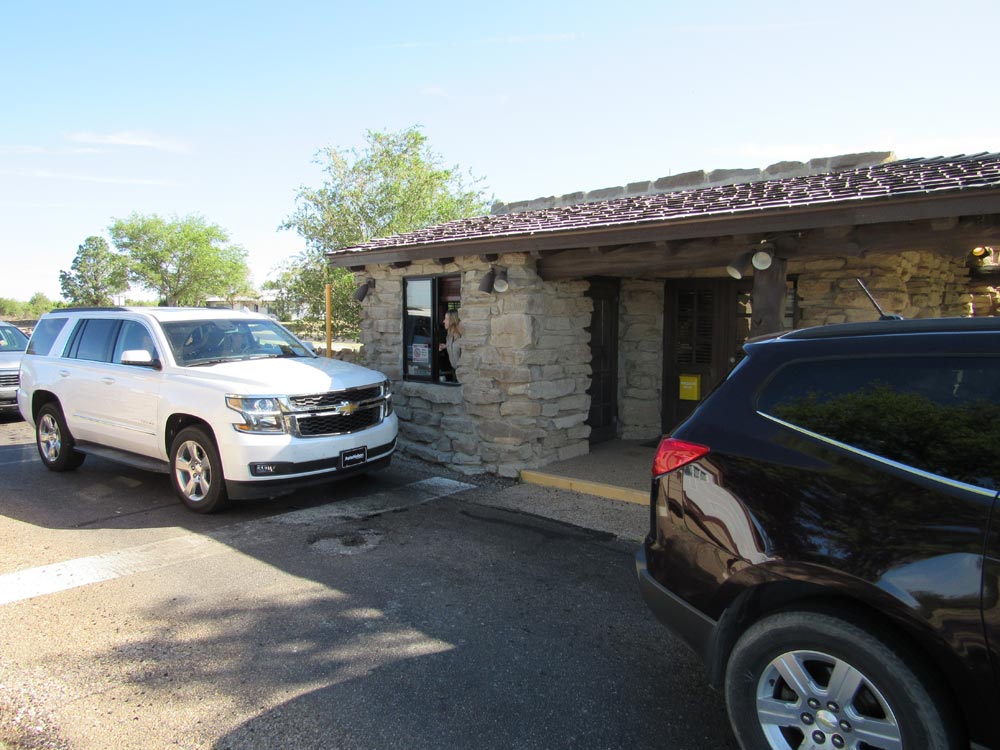
Park Headquarters opens at 8:00am daily. Closing time varies by season.
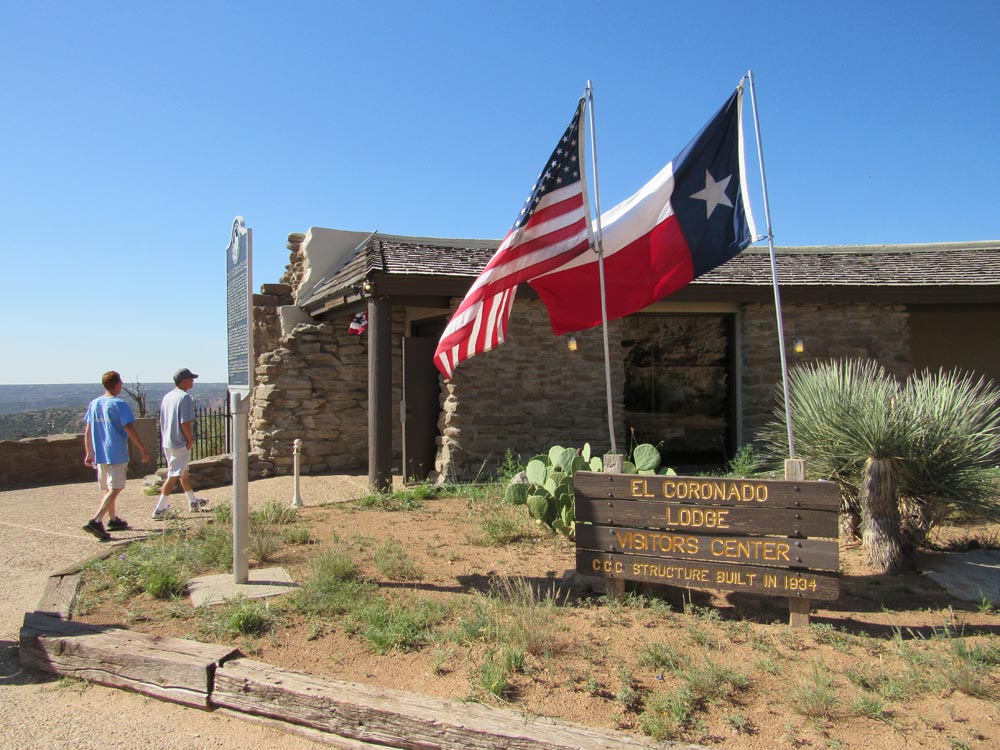
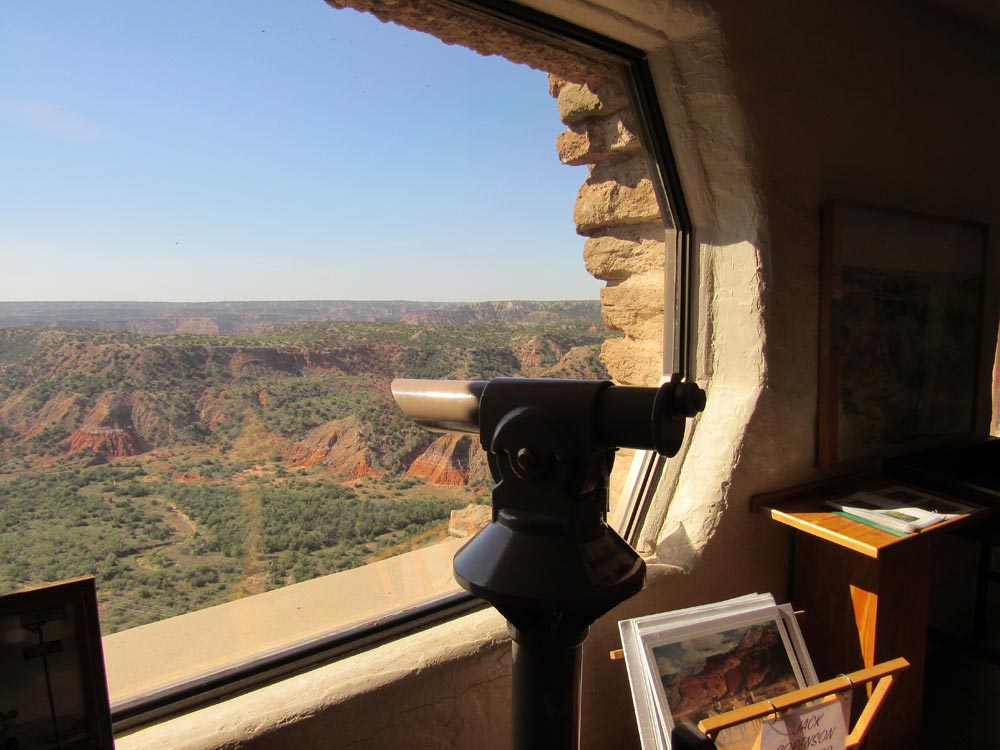
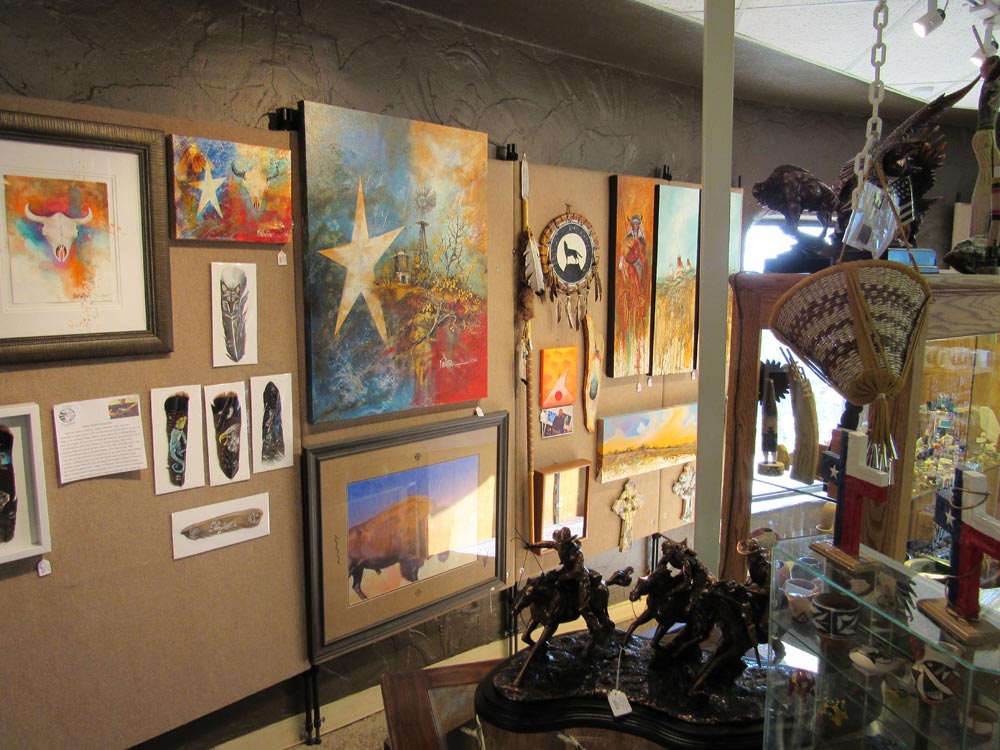
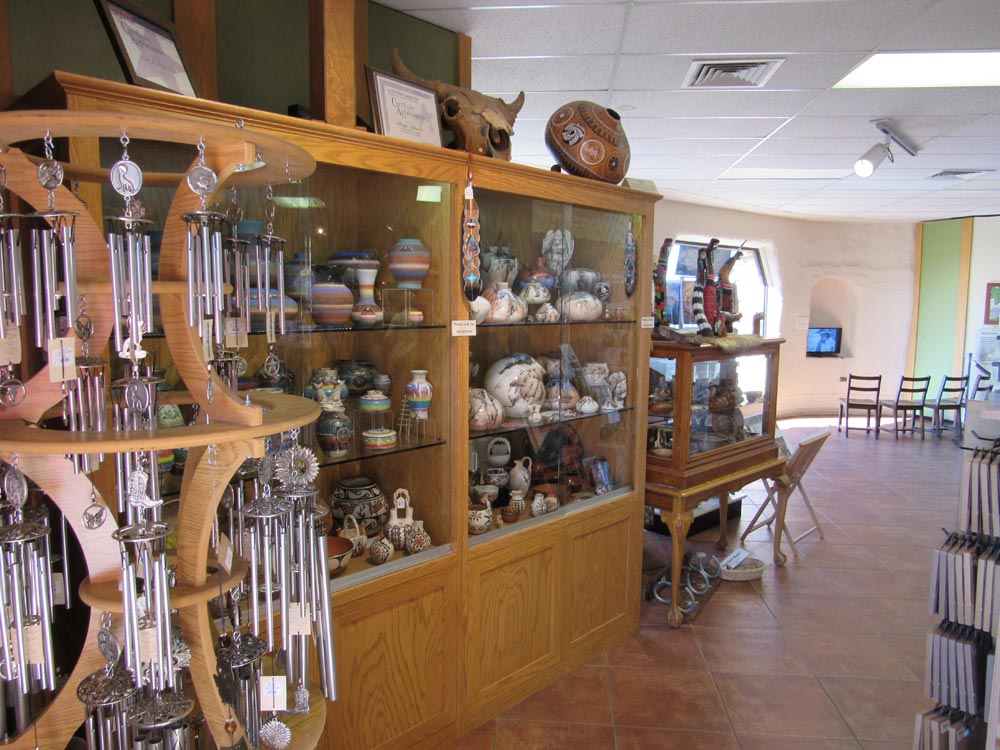
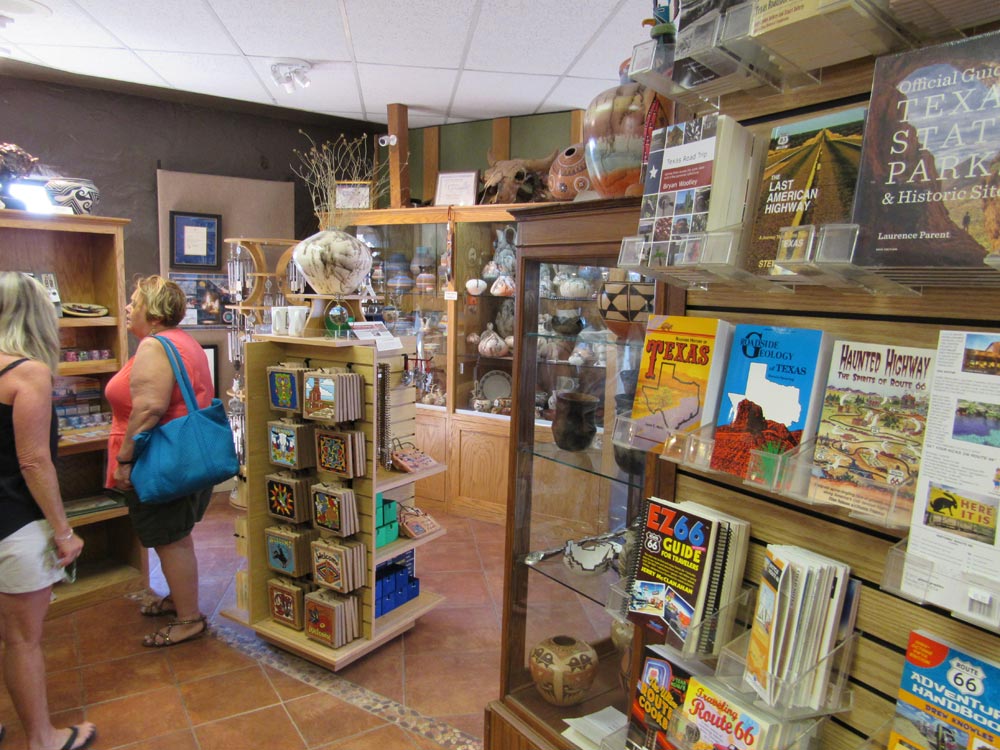
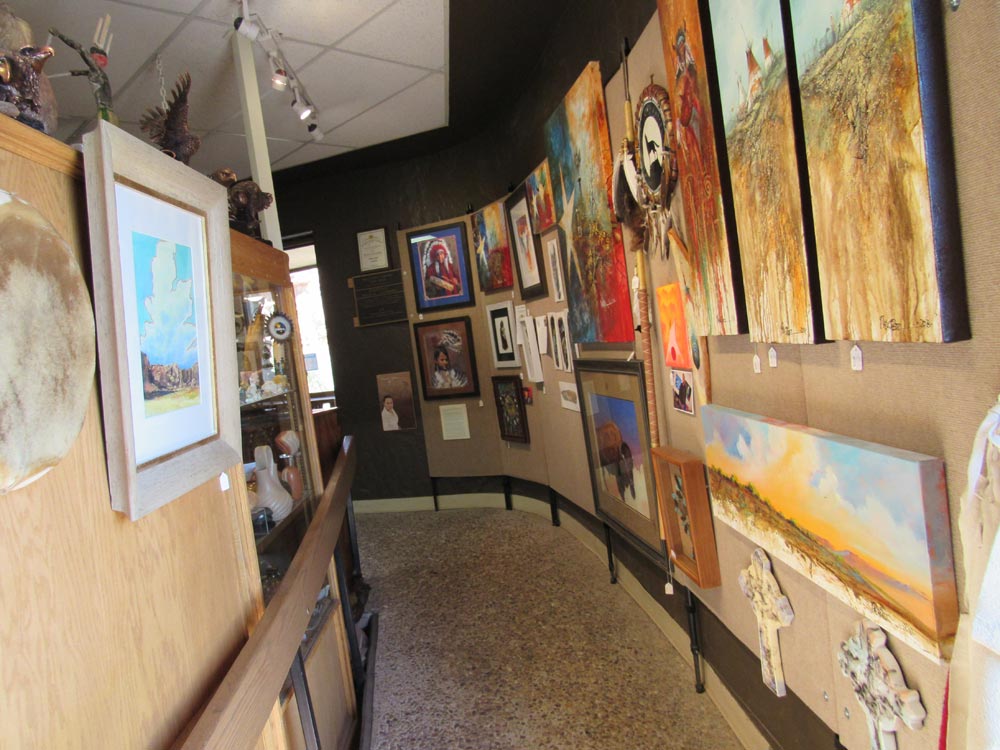
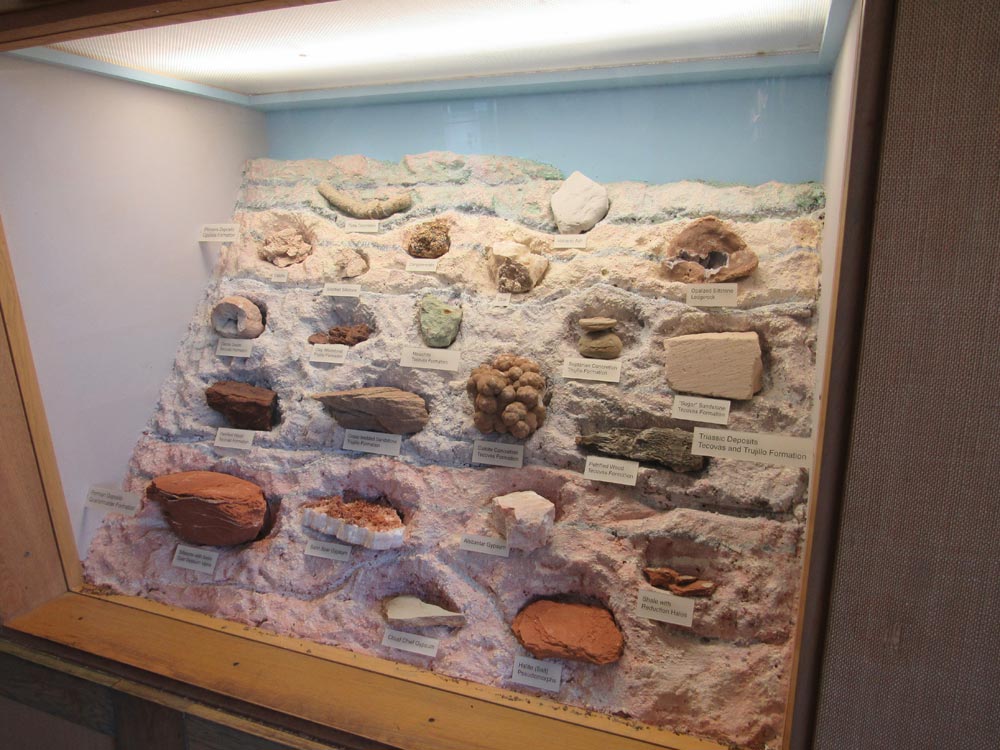
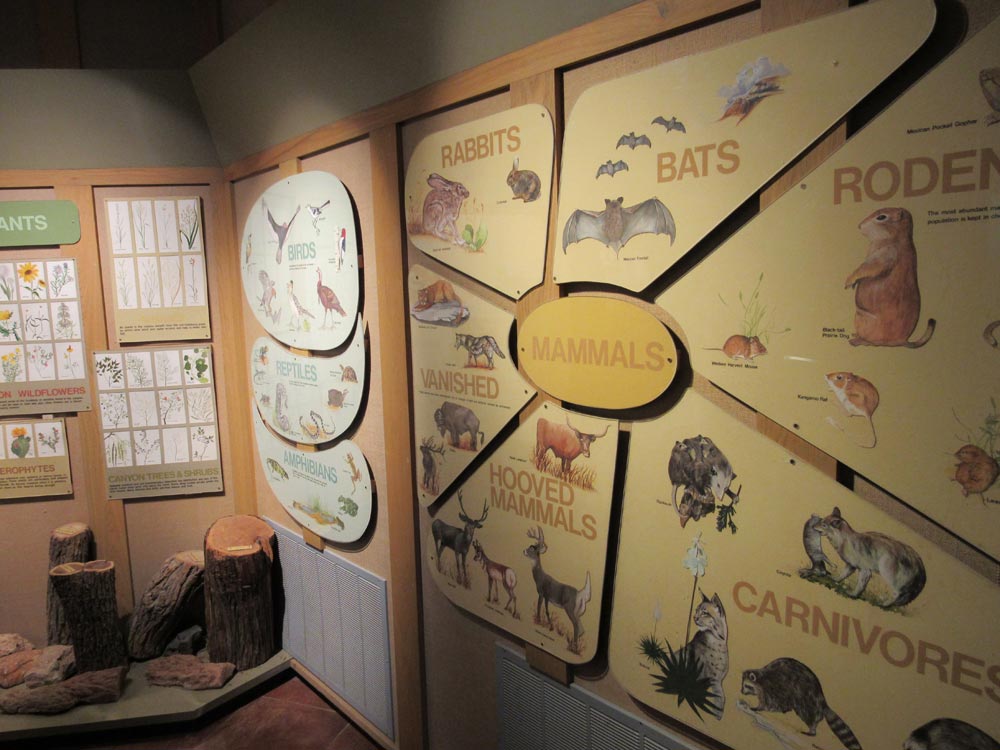
The Canyon Gallery
Operated by The Partners in Palo Duro Canyon Foundation, one of the canyon’s most impressive man-made attractions is “The Canyon Gallery.”
Built of native stone near the top of the canyon in 1933 by the Civilian Conservation Corps, its large windows overlook the canyon, providing a spectacular view of its splendor. The Gallery boasts historical video productions, archeological and nature exhibits, and is beautifully arranged with Southwest art for sale, handmade Native American pottery, handmade Navajo, Zuni and Santo Domingo silver and turquoise jewelry, handmade hunting knives, and a large selection of hard to find regional tools that are Comanche and Kiowa beaded, t-shirts and hats.
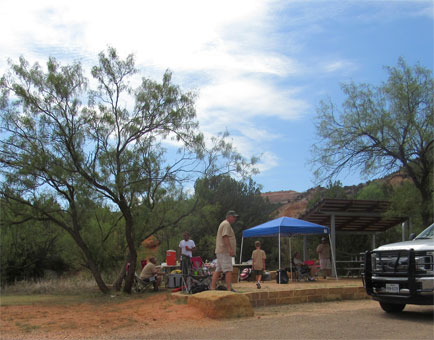
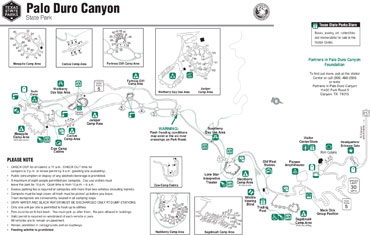
Day Use Sites
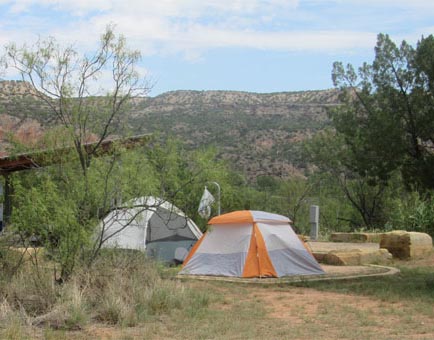
Tent Sites
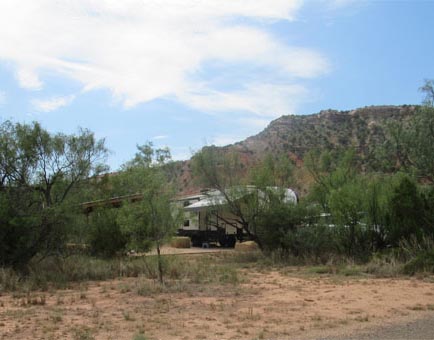
Sites with Hookups 20-amp
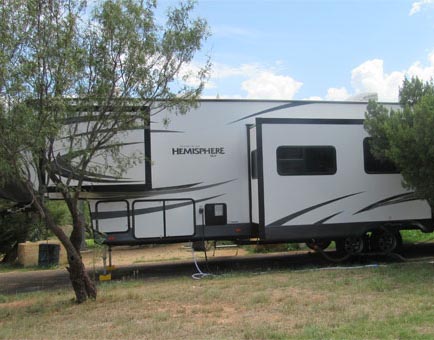
Sites with Hookups 30-amp
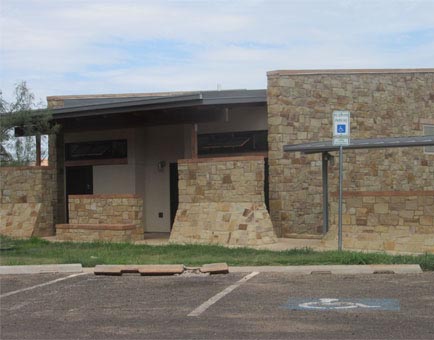
Public Restrooms & Showers
The Cowcamp Cabins
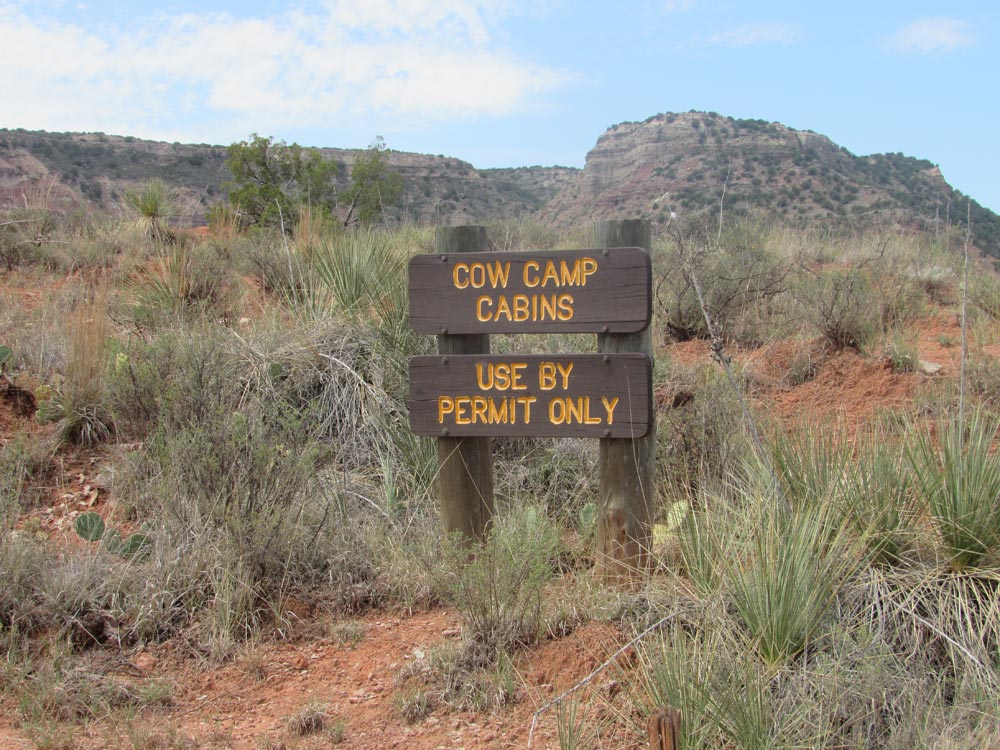
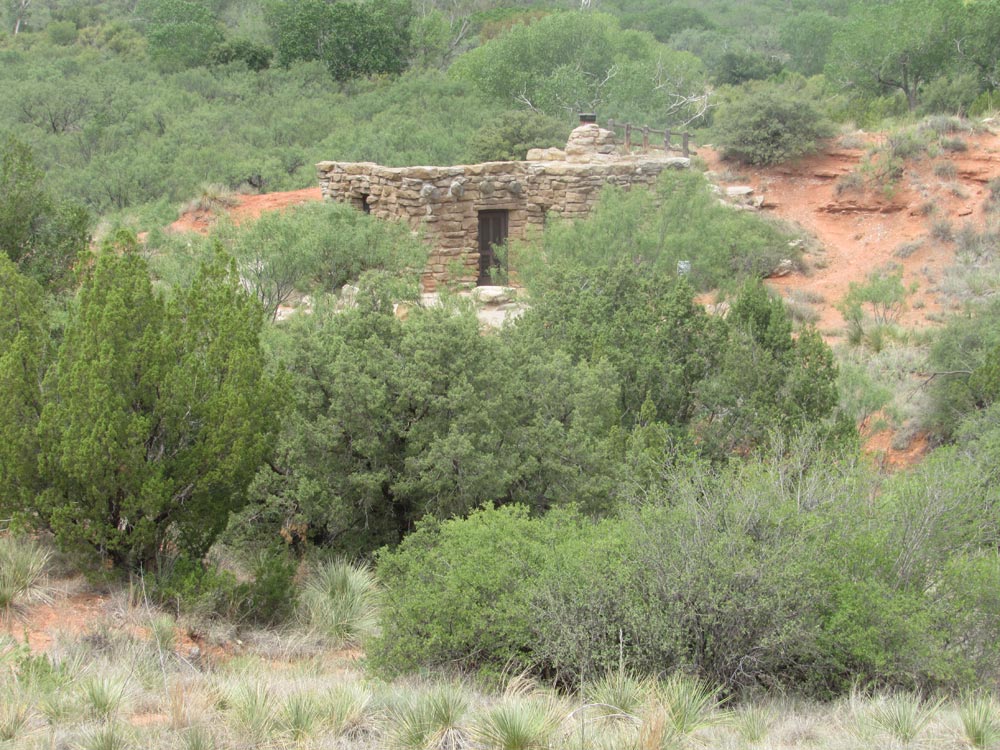
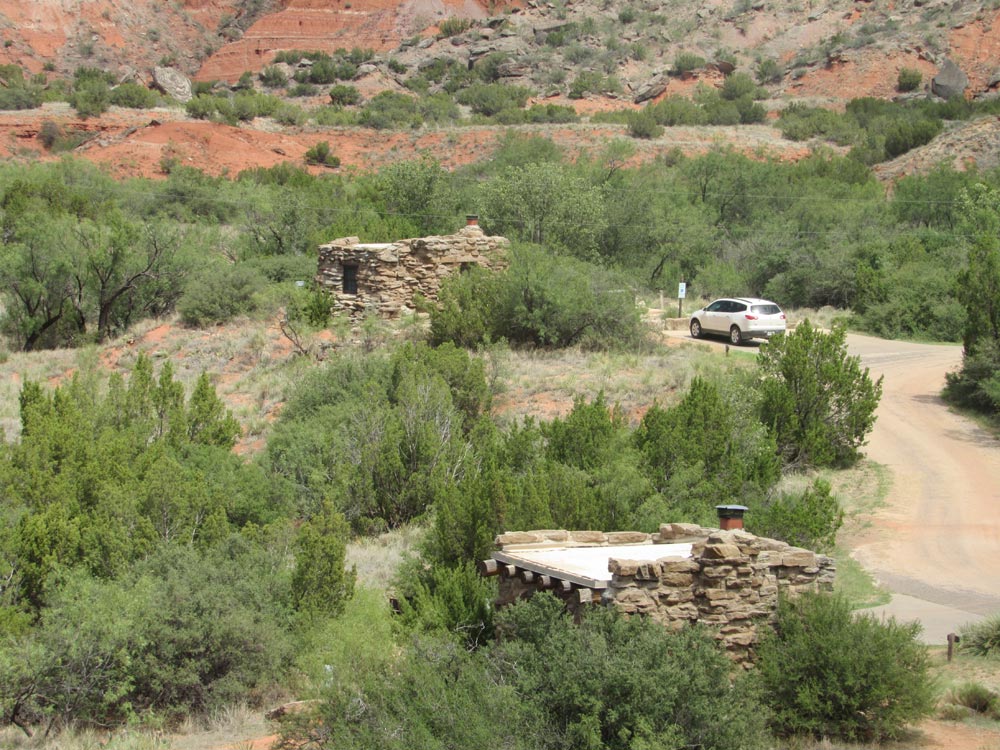
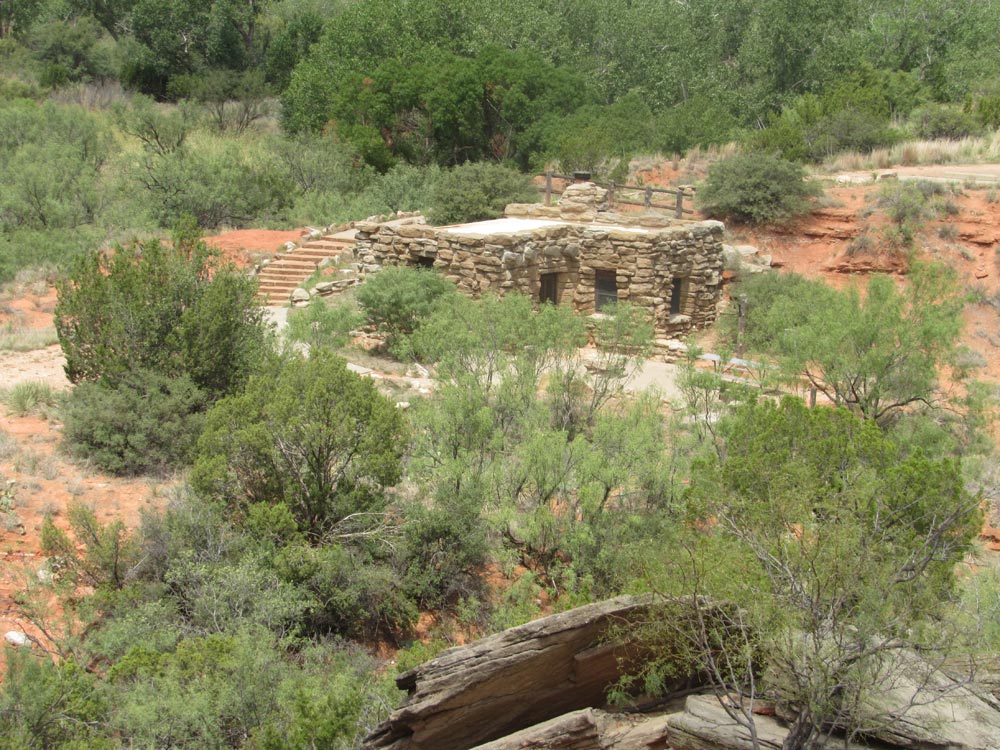
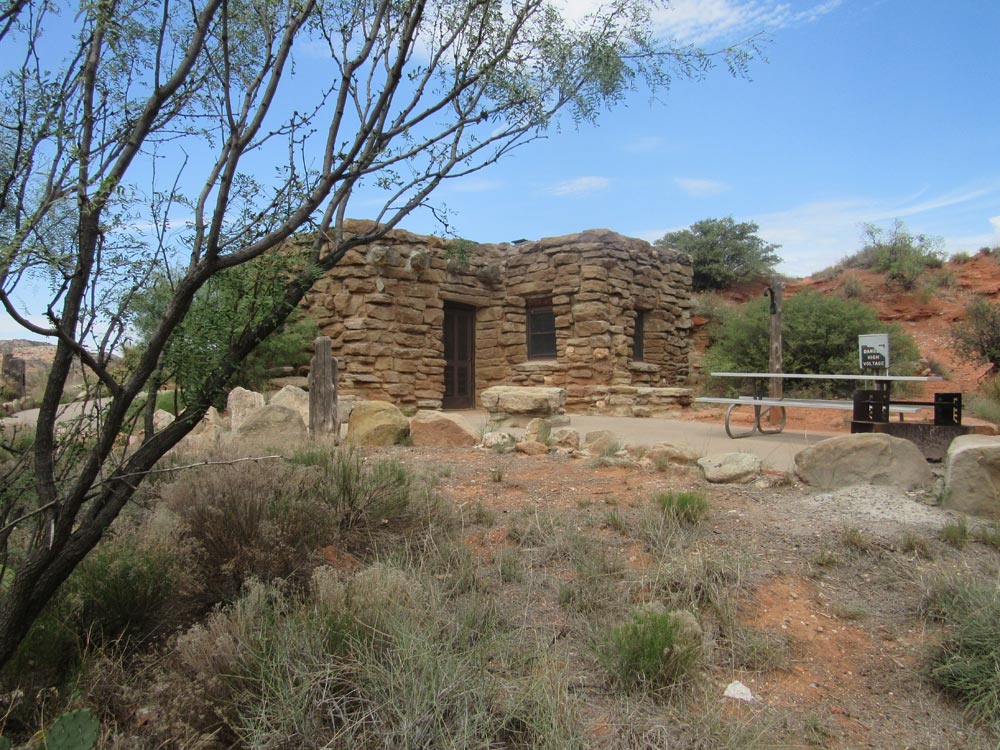
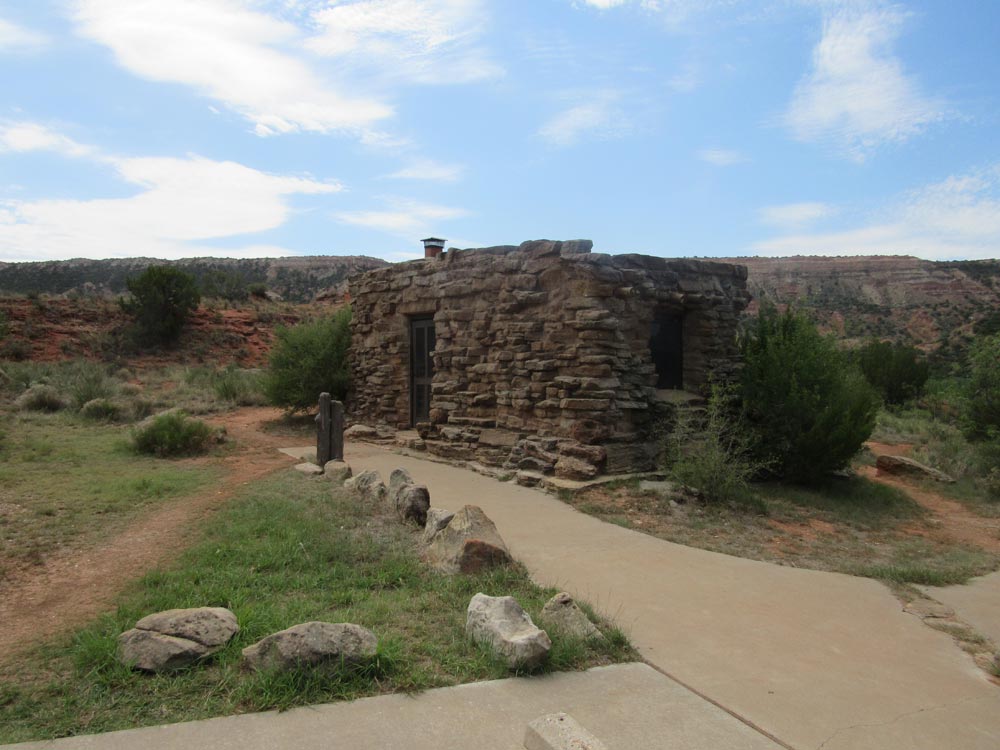
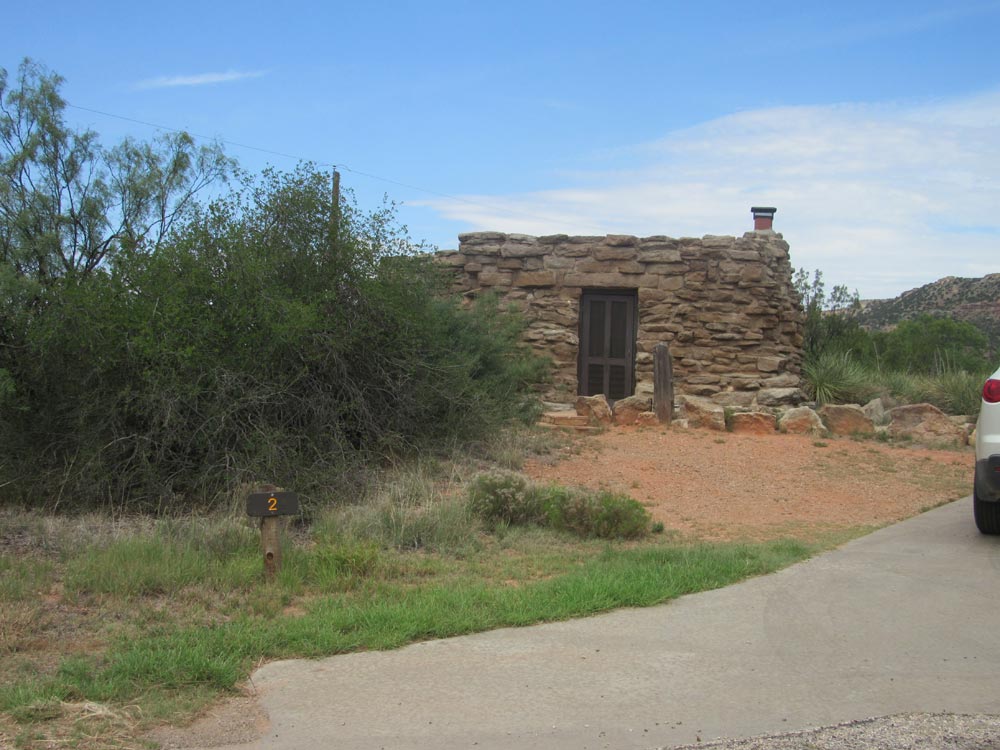
The “Cow Camp Cabins” are seven unique structures built by the CCC in 1933. Beautifully situated inside the park, three are on the canyon rim and four on the canyon floor. While still quite rustic, they’ve been recently equipped with modern heating and cooling and are available for overnight stay by advance reservation.
Doves Rest Cabins
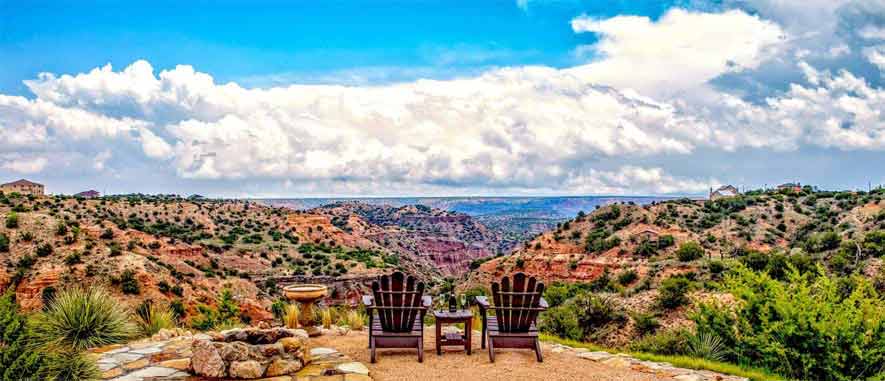
Doves Rest Cabins provides private overnight luxury accommodations, offering unique views of Palo Duro Canyon that you’re sure to enjoy. Wildlife, plantlife, and scenic diversity abound. Happy memories and relaxation are sure to happen.
902.018v2 @210918